
EU4Blue - A Wave for Ocean Literacy
EU4Blue - A Wave for Ocean Literacy
Bring Ocean Literacy into your classroom with free teaching materials that connect water and the ocean to students’ everyday lives. Through creative challenges, investigations and discussions, learners explore global issues, critically evaluate information and evidence, and develop practical solutions.
Our collection brings together educational resources developed within the Erasmus+ project EU4Blue, combining classroom experience, international cooperation and students’ perspectives.
Ocean Literacy Across the Curriculum
Our materials are deliberately not organised by traditional school subjects. Instead, they are designed for interdisciplinary use and can be integrated into different curricula according to educational contexts and learning objectives.
Ocean Literacy goes far beyond Biology. Water and the ocean connect to Geography, Chemistry, Economics, Politics, History, Languages and many other subjects. By embracing this interdisciplinary approach, we encourage teachers to explore water-related challenges from different perspectives and make Ocean Literacy part of everyday teaching across the curriculum.
Development, Testing & Feedback
Our teaching materials have been developed and tested in classroom settings within the EU4Blue partner schools in Germany, Finland and Norway.
Selected EU4Blue modules were also tested with international students during an Erasmus+ KA1 VET mobility focusing on sustainability. This provided an opportunity to explore how the materials could be used beyond the EU4Blue partnership and in different educational and linguistic contexts.
In addition, we invited teachers from other schools to review our materials and share their professional feedback. Through informal discussions with colleagues, we gained further perspectives on classroom usability, language demands and task complexity.
These experiences and discussions contributed to the further development of our resources, particularly their differentiation for learners with different language proficiency levels and learning needs.
Different Levels for Different Learners
During the project, we found that students’ English language skills and learning needs varied considerably across the groups using our materials. To support inclusive learning, our collection offers resources with different levels of language, content and task complexity.
Many materials are available at B1–B2, B2–C1 and C1, using the Common European Framework of Reference for Languages (CEFR) as a guide for language demands.
Teachers can select and adapt resources to suit their students’ knowledge, abilities and support needs, helping more learners participate confidently in Ocean Literacy activities.
Find Your Resource
Each resource includes a description of its content, language level and suggested teaching time. Download a printable PDF or choose an editable Word version where available.
All materials are free to use, copy and adapt for educational purposes. They may not be sold, either in their original form or as adapted versions.
Looking to involve your wider school community? Visit Projects & Action Days for practical guidance on school events, water projects and local clean-ups.
Share Your Feedback
We would love to hear how you use our materials in your classroom. What worked well? What could be improved?
Your experiences and suggestions will help us continue developing the collection and make it even more useful for teachers and learners across Europe.
Please contact us at info@eu4blue.eu.
Finding material connected to:
Discover how much we depend on water. Investigate everyday water use, uncover hidden waste and explore ways to manage this shared resource responsibly.
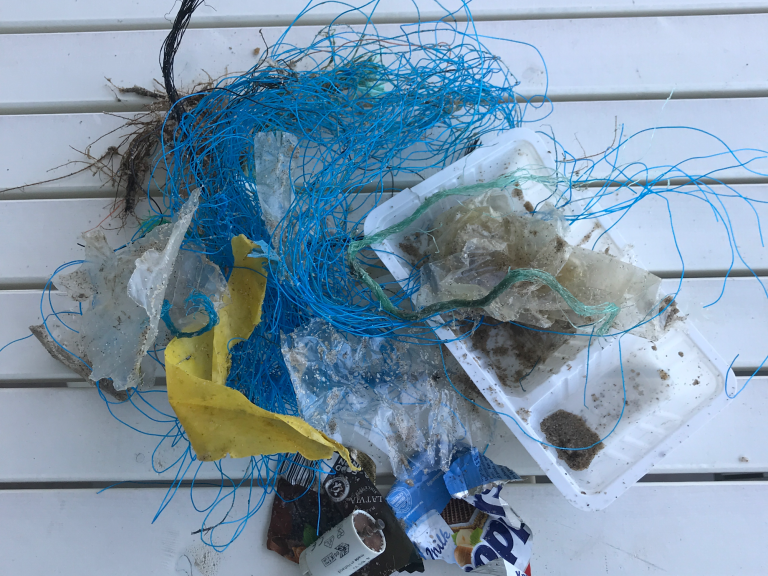
Finding material connected to:
02 | Pollution & Environmental Protection
Investigate how pollution reaches rivers, lakes and the ocean. Examine its effects, compare possible solutions and discover how prevention can begin close to home.
Finding material connected to:
03 | Climate Change & Water
Explore the connections between climate, glaciers, rivers and the ocean. Understand how a changing climate affects water availability, ecosystems and communities.
Finding material connected to:
04 | Aquatic Ecosystems & Biodiversity
Discover the relationships that sustain freshwater and marine life. Investigate threats to biodiversity and consider how habitats and species can be protected.
Finding material connected to:
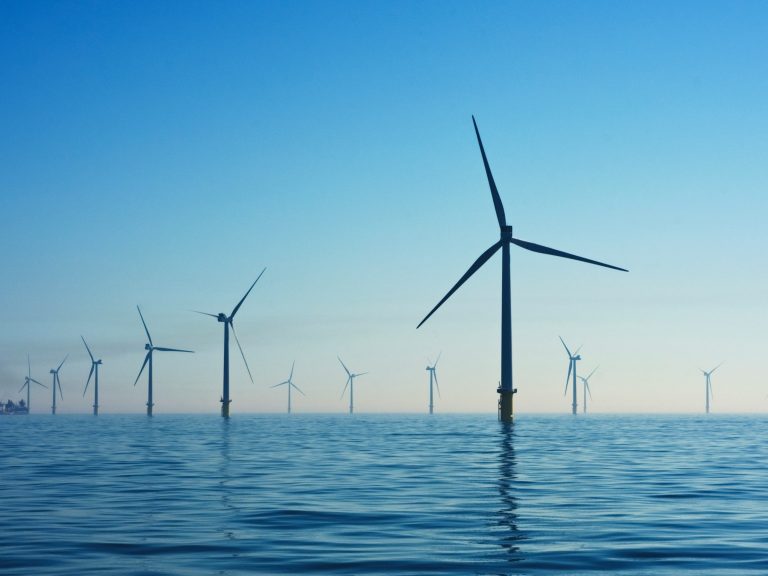
05 | Blue Economy & Sustainable Development
Explore the choices behind shipping, tourism and coastal development. Weigh economic opportunities against environmental impacts and consider what sustainable development means for local communities.
Finding material connected to:
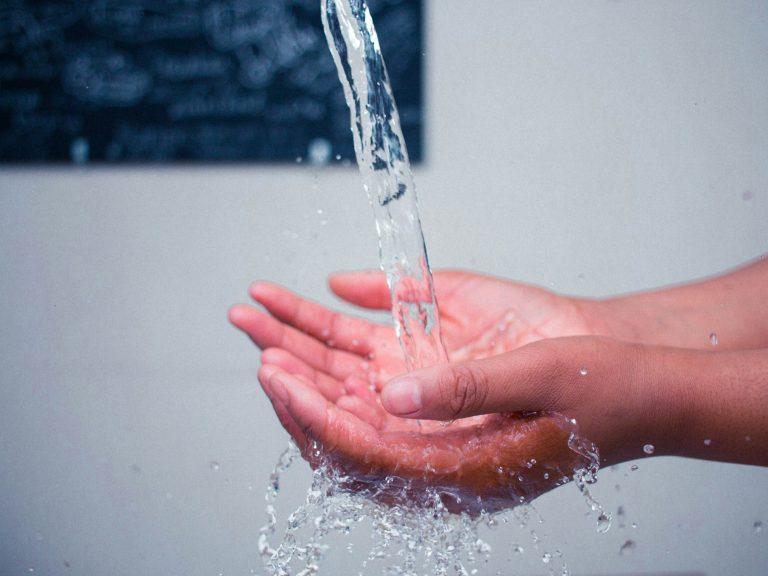
06 | Water, Health & Society
Examine why safe and accessible water matters for everyone. Investigate everyday barriers and develop ideas that support health, inclusion and fair access.

Finding material connected to:
07 | Taking Action - Projects & Action Days
Planning a school event for World Water Day, World Oceans Day or another environmental action day? Looking to launch a water project or organise a local clean-up?
Explore practical guides, creative ideas and step-by-step instructions to help you turn your plans into action and inspire your school community to get involved.
Finding material connected to:
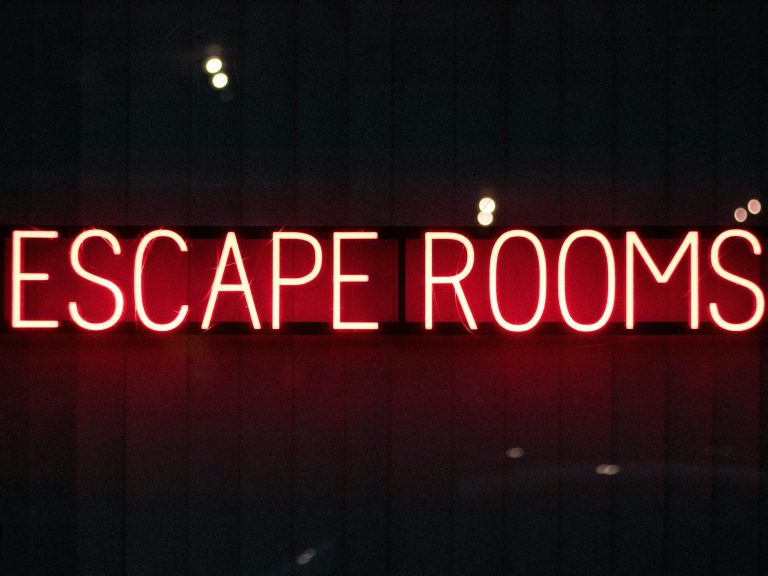
08 | Escape Rooms and Other Material
In this section you will find escape rooms and other materials with more than just one file that actually belong to section 1-6.
Wir benötigen Ihre Zustimmung zum Laden der Übersetzungen
Wir nutzen einen Drittanbieter-Service, um den Inhalt der Website zu übersetzen, der möglicherweise Daten über Ihre Aktivitäten sammelt. Bitte überprüfen Sie die Details in der Datenschutzerklärung und akzeptieren Sie den Dienst, um die Übersetzungen zu sehen.