
EU4Blue - A Wave for Ocean Literacy
EU4Blue - A Wave for Ocean Literacy
Climate change is transforming our planet's water systems. From melting glaciers and rising sea levels to droughts and floods, discover how global warming affects water resources, ecosystems and communities – and what we can do to respond.
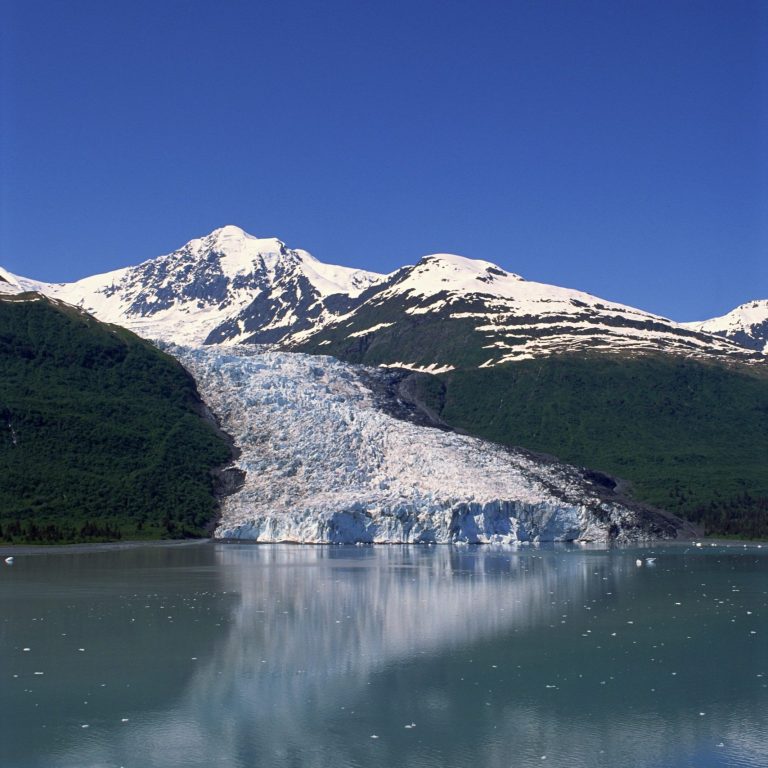
Glaciers, Climate Change & Water Access
45 minutes, level C1, 15-18 years
This lesson explores how melting glaciers affect freshwater supplies, people and ecosystems. Students examine cause-and-effect relationships and work together to develop a water-saving plan for a fictional community. The material includes worksheets, vocabulary support, teacher guidance and suggested answers.
Glaciers, Climate Change & Water Access
45 minutes, level B2-C1, 15-18 years
This lesson explores how melting glaciers affect freshwater supplies, people and ecosystems. Students examine cause-and-effect relationships and work together to develop a water-saving plan for a fictional community. The material includes worksheets, vocabulary support, teacher guidance and suggested answers.
Glaciers, Climate Change & Water Access
45 minutes, level B1-B2, 15-18 years
This lesson explores how melting glaciers affect freshwater supplies, people and ecosystems. Students examine cause-and-effect relationships and work together to develop a water-saving plan for a fictional community. The material includes worksheets, vocabulary support, teacher guidance and suggested answers.
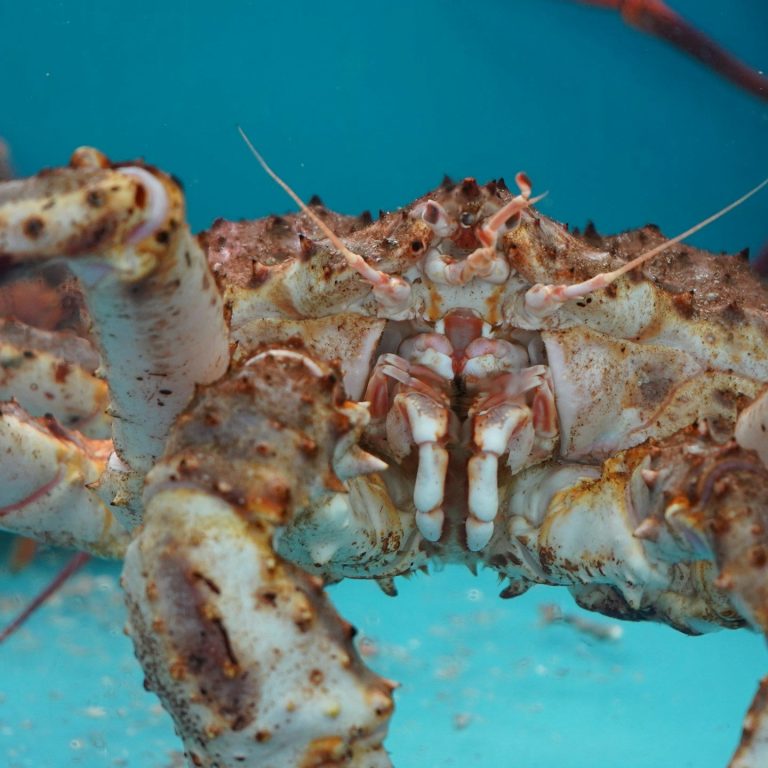
Unwanted Passengers - How do Invasive Species Spread?
90 minutes, level C1, 16+ years
A ship docks. A paddleboard changes lakes. An aquarium is emptied. What might travel with them?
Students investigate four fictional case files to uncover how aquatic organisms reach new environments. Using illustrated pathway cards and evidence records, they distinguish observations from assumptions, challenge misleading headlines and propose targeted prevention measures. The central challenge: a possible transport route is not proof of responsibility, and not every non-native species is invasive.
Available at B1–B2, B2–C1 and C1, with differentiated texts and tasks. Each edition includes student worksheets, cut-out cards, teacher guidance, suggested answers and assessment criteria.
Unwanted Passengers - How do Invasive Species Spread?
90 minutes, level B2-C1, 16+ years
A ship docks. A paddleboard changes lakes. An aquarium is emptied. What might travel with them?
Students investigate four fictional case files to uncover how aquatic organisms reach new environments. Using illustrated pathway cards and evidence records, they distinguish observations from assumptions, challenge misleading headlines and propose targeted prevention measures. The central challenge: a possible transport route is not proof of responsibility, and not every non-native species is invasive.
Available at B1–B2, B2–C1 and C1, with differentiated texts and tasks. Each edition includes student worksheets, cut-out cards, teacher guidance, suggested answers and assessment criteria.
Unwanted Passengers - How do Invasive Species Spread?
90 minutes, level B1-B2, 16+ years
A ship docks. A paddleboard changes lakes. An aquarium is emptied. What might travel with them?
Students investigate four fictional case files to uncover how aquatic organisms reach new environments. Using illustrated pathway cards and evidence records, they distinguish observations from assumptions, challenge misleading headlines and propose targeted prevention measures. The central challenge: a possible transport route is not proof of responsibility, and not every non-native species is invasive.
Available at B1–B2, B2–C1 and C1, with differentiated texts and tasks. Each edition includes student worksheets, cut-out cards, teacher guidance, suggested answers and assessment criteria.
Wir benötigen Ihre Zustimmung zum Laden der Übersetzungen
Wir nutzen einen Drittanbieter-Service, um den Inhalt der Website zu übersetzen, der möglicherweise Daten über Ihre Aktivitäten sammelt. Bitte überprüfen Sie die Details in der Datenschutzerklärung und akzeptieren Sie den Dienst, um die Übersetzungen zu sehen.