
EU4Blue - A Wave for Ocean Literacy
EU4Blue - A Wave for Ocean Literacy
Rivers, lakes and oceans are home to an incredible variety of life. Explore the fascinating world of aquatic ecosystems, discover why biodiversity matters and learn how human activities affect these fragile habitats.
Baykeepers – Save the Living Bay
60-90 minutes, level C1, 15-18 years
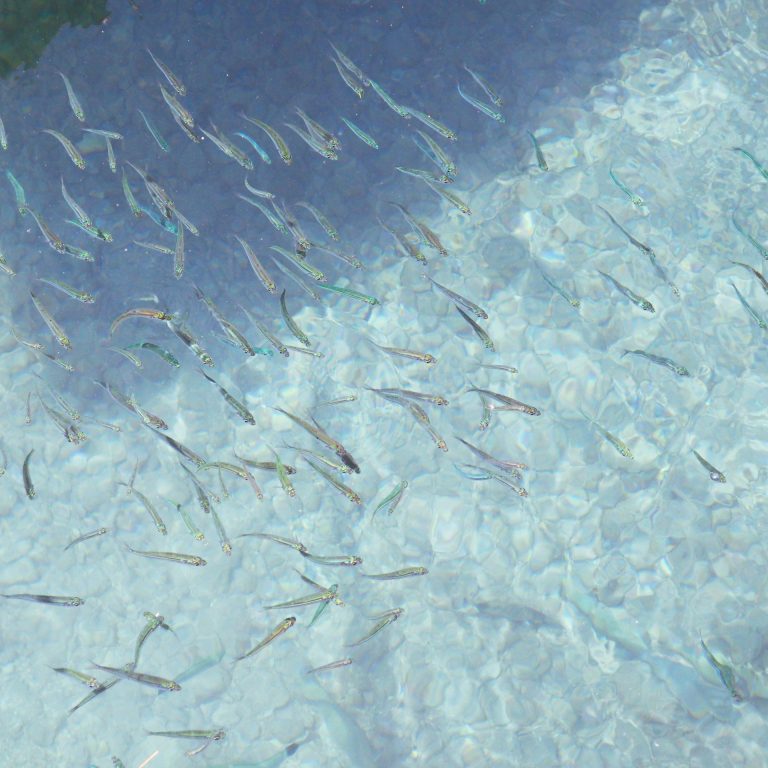
How can protecting one habitat help many different organisms? Students become coastal conservation advisers, using illustrated cards to build a food web and explore the effects of habitat loss. Working in teams, they choose protection measures within a limited budget and create an exhibition poster explaining their decisions.
Includes cut-out cards, worksheets, language support and teacher notes with suggested answers.
Baykeepers – Save the Living Bay
60-90 minutes, level B2-C1, 15-18 years
How can protecting one habitat help many different organisms? Students become coastal conservation advisers, using illustrated cards to build a food web and explore the effects of habitat loss. Working in teams, they choose protection measures within a limited budget and create an exhibition poster explaining their decisions.
Includes cut-out cards, worksheets, language support and teacher notes with suggested answers.
Baykeepers – Save the Living Bay
60-90 minutes, level B1-B2, 15-18 years
How can protecting one habitat help many different organisms? Students become coastal conservation advisers, using illustrated cards to build a food web and explore the effects of habitat loss. Working in teams, they choose protection measures within a limited budget and create an exhibition poster explaining their decisions.
Includes cut-out cards, worksheets, language support and teacher notes with suggested answers.
Listen to the Ocean! – Sounds of the Sea
90 minutes, level C1, 16+ years
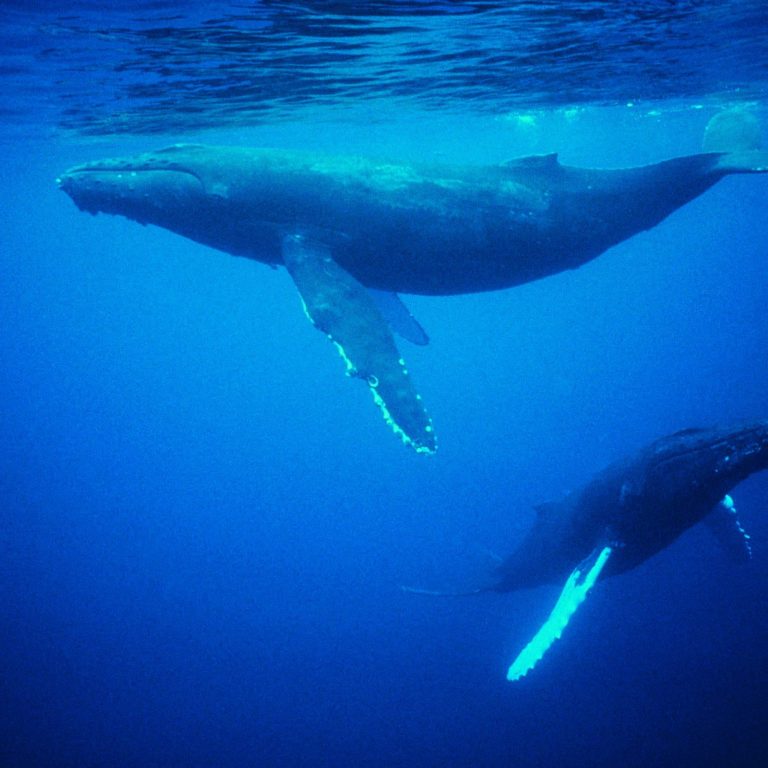
What can underwater sounds reveal—and what can’t they tell us? Students investigate six authentic recordings, compare natural and human-made sounds, challenge misleading claims and create a short audio report for a school exhibition.
The printable pack includes QR codes and clickable audio links, student worksheets, teacher guidance and suggested answers. Internet access is required.
Listen to the Ocean! – Sounds of the Sea
90 minutes, level B2-C1, 16+ years
What can underwater sounds reveal—and what can’t they tell us? Students investigate six authentic recordings, compare natural and human-made sounds, challenge misleading claims and create a short audio report for a school exhibition.
The printable pack includes QR codes and clickable audio links, student worksheets, teacher guidance and suggested answers. Internet access is required.
Listen to the Ocean! – Sounds of the Sea
90 minutes, level B1-B2, 16+ years
What can underwater sounds reveal—and what can’t they tell us? Students investigate six authentic recordings, compare natural and human-made sounds, challenge misleading claims and create a short audio report for a school exhibition.
The printable pack includes QR codes and clickable audio links, student worksheets, teacher guidance and suggested answers. Internet access is required.
Below the Surface - What Makes a Coast Alive?
90 minutes, level C1, 16+ years
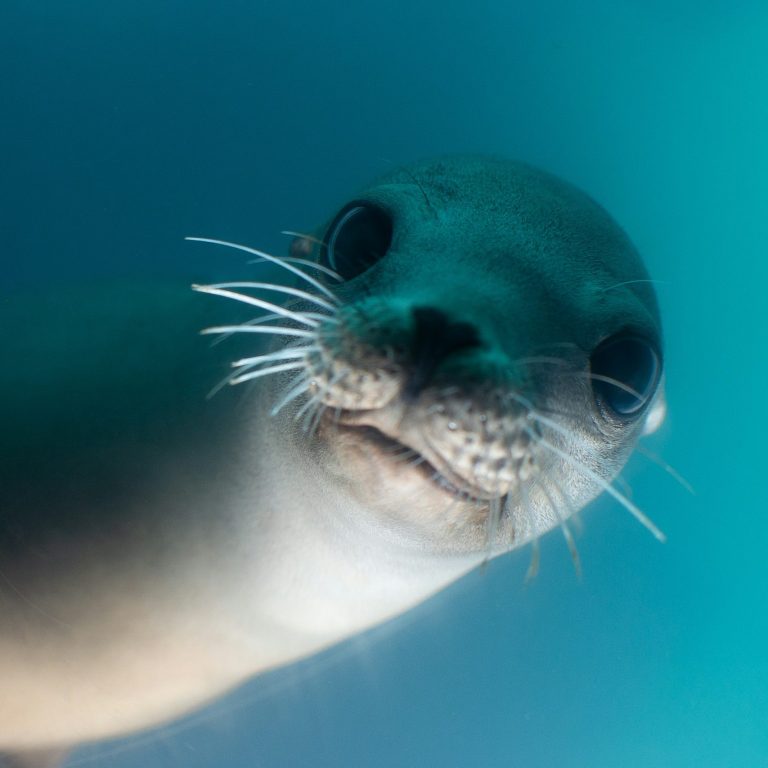
Three coastal sites. The same number of recorded animals. Three very different communities. What can the evidence really tell us?
Working as an ecological investigation team for a local magazine, students explore a fictional coastline, analyse simulated survey data and build a food web using cut-out species cards. They challenge misleading headlines, consider competing explanations and propose a practical next step for protecting coastal biodiversity.
Includes student worksheets, a coastal map, species cards, teacher guidance, suggested answers and assessment criteria.
Below the Surface - What Makes a Coast Alive?
90 minutes, level B2-C1, 16+ years
Three coastal sites. The same number of recorded animals. Three very different communities. What can the evidence really tell us?
Working as an ecological investigation team for a local magazine, students explore a fictional coastline, analyse simulated survey data and build a food web using cut-out species cards. They challenge misleading headlines, consider competing explanations and propose a practical next step for protecting coastal biodiversity.
Includes student worksheets, a coastal map, species cards, teacher guidance, suggested answers and assessment criteria.
Below the Surface - What Makes a Coast Alive?
90 minutes, level B1-B2, 16+ years
Three coastal sites. The same number of recorded animals. Three very different communities. What can the evidence really tell us?
Working as an ecological investigation team for a local magazine, students explore a fictional coastline, analyse simulated survey data and build a food web using cut-out species cards. They challenge misleading headlines, consider competing explanations and propose a practical next step for protecting coastal biodiversity.
Includes student worksheets, a coastal map, species cards, teacher guidance, suggested answers and assessment criteria.
Unwanted Passengers - How do Invasive Species Spread?
90 minutes, level C1, 16+ years
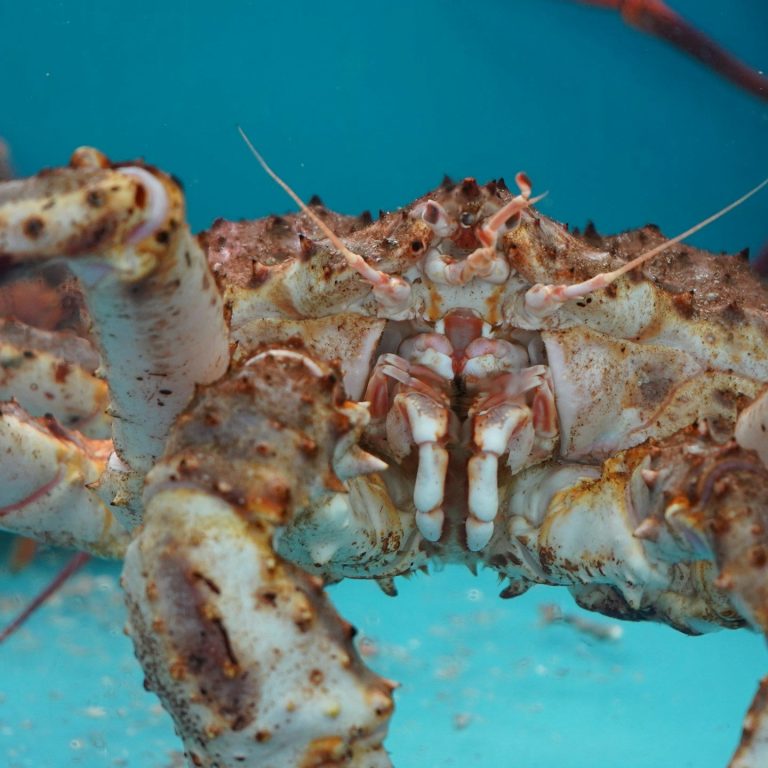
A ship docks. A paddleboard changes lakes. An aquarium is emptied. What might travel with them?
Students investigate four fictional case files to uncover how aquatic organisms reach new environments. Using illustrated pathway cards and evidence records, they distinguish observations from assumptions, challenge misleading headlines and propose targeted prevention measures. The central challenge: a possible transport route is not proof of responsibility, and not every non-native species is invasive.
Available at B1–B2, B2–C1 and C1, with differentiated texts and tasks. Each edition includes student worksheets, cut-out cards, teacher guidance, suggested answers and assessment criteria.
Unwanted Passengers - How do Invasive Species Spread?
90 minutes, level B2-C1, 16+ years
A ship docks. A paddleboard changes lakes. An aquarium is emptied. What might travel with them?
Students investigate four fictional case files to uncover how aquatic organisms reach new environments. Using illustrated pathway cards and evidence records, they distinguish observations from assumptions, challenge misleading headlines and propose targeted prevention measures. The central challenge: a possible transport route is not proof of responsibility, and not every non-native species is invasive.
Available at B1–B2, B2–C1 and C1, with differentiated texts and tasks. Each edition includes student worksheets, cut-out cards, teacher guidance, suggested answers and assessment criteria.
Unwanted Passengers - How do Invasive Species Spread?
90 minutes, level B1-B2, 16+ years
A ship docks. A paddleboard changes lakes. An aquarium is emptied. What might travel with them?
Students investigate four fictional case files to uncover how aquatic organisms reach new environments. Using illustrated pathway cards and evidence records, they distinguish observations from assumptions, challenge misleading headlines and propose targeted prevention measures. The central challenge: a possible transport route is not proof of responsibility, and not every non-native species is invasive.
Available at B1–B2, B2–C1 and C1, with differentiated texts and tasks. Each edition includes student worksheets, cut-out cards, teacher guidance, suggested answers and assessment criteria.
Why Do Invasive Species Spread?
90 minutes, level C1, 16+ years
The same organism arrives in two bays—but only one population thrives. Why?
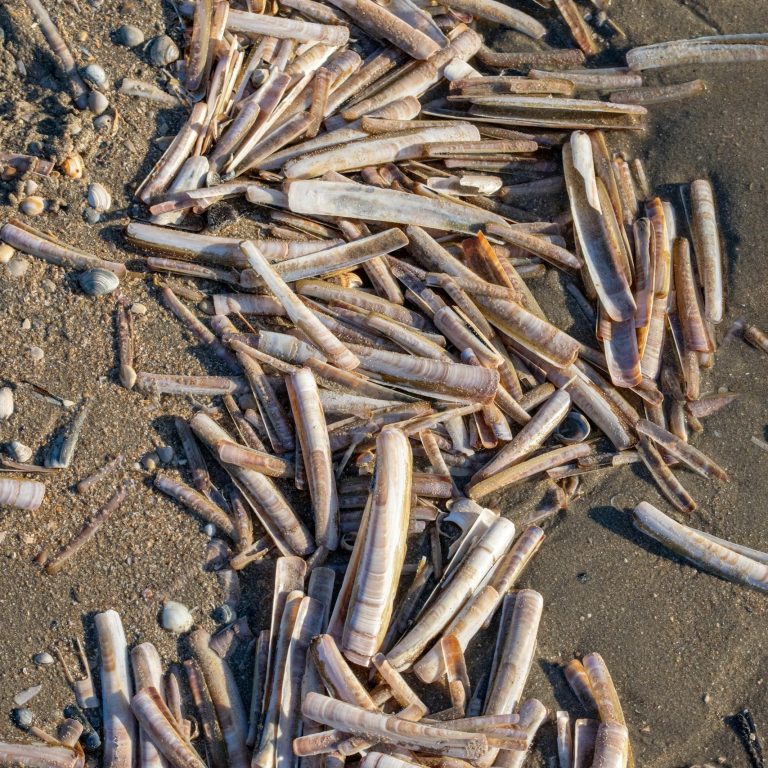
In this collaborative cause lab, students explore how human activities, environmental conditions and biological processes interact. They sort factor cards, build causal maps and analyse a simulated experiment before testing how changing one condition could alter the outcome. Their final challenge is to create a three-panel science exhibit explaining the connections—and the limits of their evidence.
This resource develops scientific reasoning, data interpretation and clear communication in English. Available at B1–B2, B2–C1 and C1, with differentiated tasks, teacher guidance, suggested answers and assessment criteria. No laboratory equipment or live organisms are required.
Why Do Invasive Species Spread?
90 minutes, level B2-C1, 16+ years
The same organism arrives in two bays—but only one population thrives. Why?
In this collaborative cause lab, students explore how human activities, environmental conditions and biological processes interact. They sort factor cards, build causal maps and analyse a simulated experiment before testing how changing one condition could alter the outcome. Their final challenge is to create a three-panel science exhibit explaining the connections—and the limits of their evidence.
This resource develops scientific reasoning, data interpretation and clear communication in English. Available at B1–B2, B2–C1 and C1, with differentiated tasks, teacher guidance, suggested answers and assessment criteria. No laboratory equipment or live organisms are required.
Why Do Invasive Species Spread?
90 minutes, level B1-B2, 16+ years
The same organism arrives in two bays—but only one population thrives. Why?
In this collaborative cause lab, students explore how human activities, environmental conditions and biological processes interact. They sort factor cards, build causal maps and analyse a simulated experiment before testing how changing one condition could alter the outcome. Their final challenge is to create a three-panel science exhibit explaining the connections—and the limits of their evidence.
This resource develops scientific reasoning, data interpretation and clear communication in English. Available at B1–B2, B2–C1 and C1, with differentiated tasks, teacher guidance, suggested answers and assessment criteria. No laboratory equipment or live organisms are required.
The Perfect Beach?
90 minutes, level C1, 16+ years
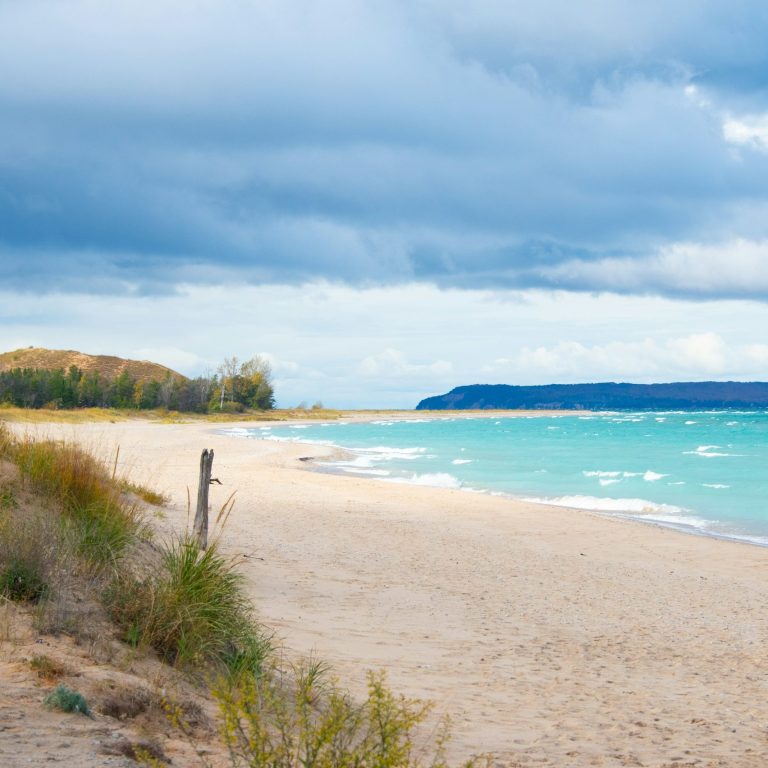
What makes a beach worth protecting? Students redesign a fictional resort beach, distinguish litter from natural seagrass deposits and create an informative visitor board. A coastal cross-section, survey table and stakeholder challenge connect biodiversity with tourism and accessible design.
Includes student worksheets, original diagrams, teacher guidance and suggested answers.
The Perfect Beach?
90 minutes, level B2-C1, 16+ years
What makes a beach worth protecting? Students redesign a fictional resort beach, distinguish litter from natural seagrass deposits and create an informative visitor board. A coastal cross-section, survey table and stakeholder challenge connect biodiversity with tourism and accessible design.
Includes student worksheets, original diagrams, teacher guidance and suggested answers.
The Perfect Beach?
90 minutes, level B1-B2, 16+ years
What makes a beach worth protecting? Students redesign a fictional resort beach, distinguish litter from natural seagrass deposits and create an informative visitor board. A coastal cross-section, survey table and stakeholder challenge connect biodiversity with tourism and accessible design.
Includes student worksheets, original diaggrams, teacher guidance and suggested answers.
Wir benötigen Ihre Zustimmung zum Laden der Übersetzungen
Wir nutzen einen Drittanbieter-Service, um den Inhalt der Website zu übersetzen, der möglicherweise Daten über Ihre Aktivitäten sammelt. Bitte überprüfen Sie die Details in der Datenschutzerklärung und akzeptieren Sie den Dienst, um die Übersetzungen zu sehen.